Saving the Skin of the Earth:
Why Topsoil Matters and How We Can Protect It
by Dr Alan Carlston – September 2025
Walk through a farm field in late summer or a suburban garden after a heavy rain, and you might notice rivulets of muddy water streaming away. That chocolate-coloured runoff is more than just dirt, it’s topsoil, the thin, fertile layer of earth on which nearly all life on land depends. Often overlooked, topsoil is quietly disappearing at alarming rates worldwide, threatening food security, ecosystems, and even the climate. Preserving this fragile layer is one of the great environmental challenges of our time.
What Exactly Is Topsoil?
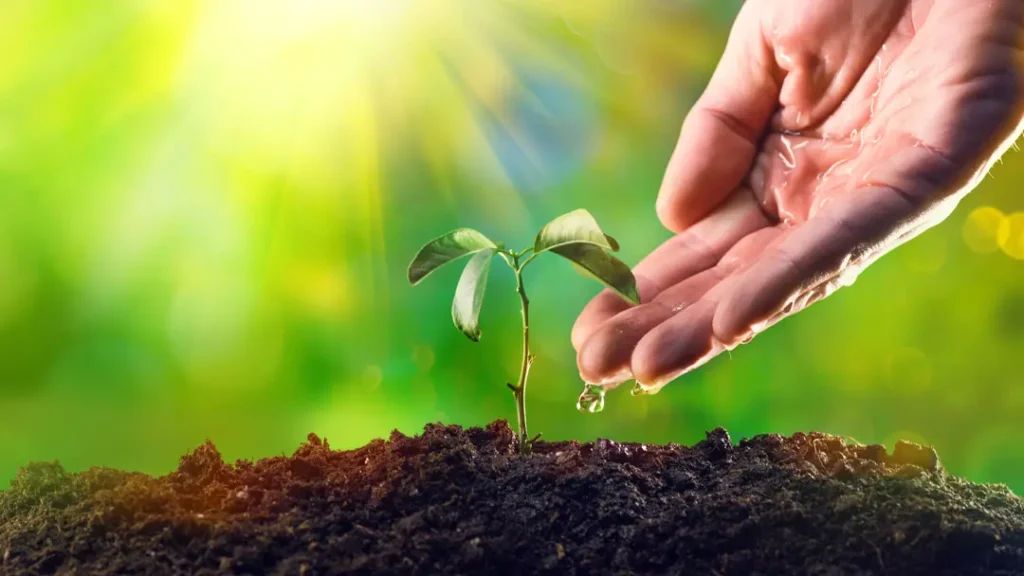
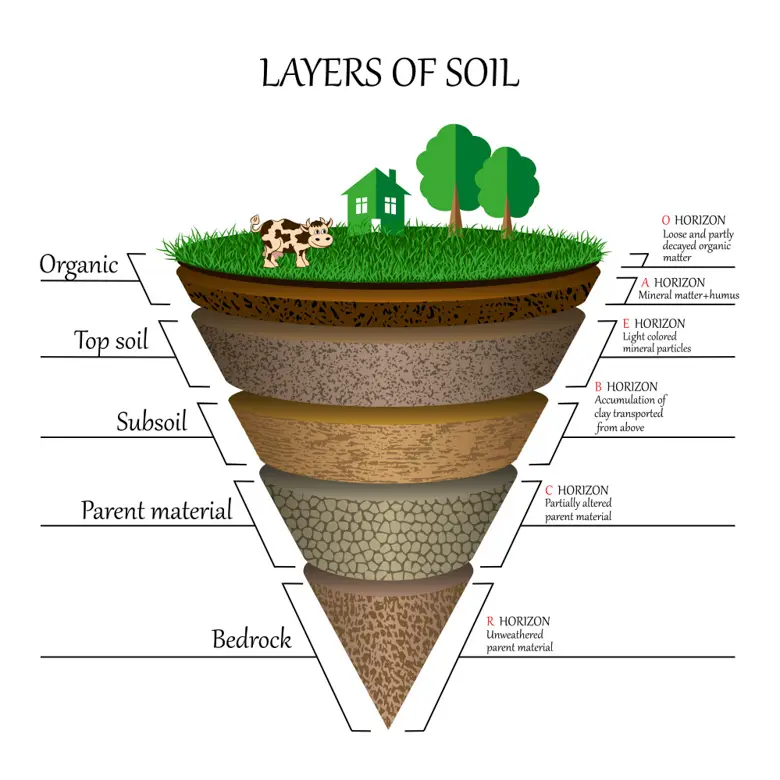
Topsoil is the uppermost layer of soil, usually the first 5 to 10 inches. It is darker than the layers beneath because it contains organic matter, decayed plants, microorganisms, and nutrients essential for growth. It’s where seeds germinate, roots anchor, and countless organisms live, from earthworms to fungi to microscopic bacteria.
Though it takes centuries for nature to form just an inch of healthy topsoil, it can be lost in a single storm or season of poor land management. This imbalance makes soil both precious and vulnerable.
The Importance of Topsoil
Topsoil is often called the “skin of the earth” because it supports nearly all terrestrial plants. Without it, crops would fail, forests would wither, and natural cycles would collapse. Its importance can be grouped into three key roles:
- Food Production – Roughly 95% of our food depends on soil. Grains, vegetables, fruits, and livestock all rely on fertile topsoil either directly or indirectly.
- Ecosystem Services – Healthy topsoil regulates water flow, filters pollutants, and stores carbon. It’s a natural sponge that reduces flooding and drought risks.
- Carbon Storage – Soils hold more carbon than the atmosphere and vegetation combined. Preserving topsoil helps slow climate change.
When topsoil degrades, we see reduced crop yields, increased vulnerability to extreme weather, and a greater need for artificial fertilizers, which can further harm ecosystems.
A Global Crisis in the Making
According to the United Nations, the world loses 24 billion tons of fertile soil every year through erosion. In the United States alone, estimates suggest half the original topsoil has been lost since European settlement. In regions like Africa and South Asia, erosion is linked directly to hunger and poverty.
The Main Drivers of soil loss include:
- Intensive farming that leaves fields bare between harvests.
- Deforestation, which strips land of protective tree cover.
- Overgrazing by livestock that removes grasses holding soil in place.
- Urbanization, which seals fertile land under concrete.
- Climate change, which increases droughts, floods, and storms, accelerating erosion.
If current trends continue, the UN warns that we may only have 60 harvests left before global soil fertility collapses.
How We Can Preserve Topsoil
Fortunately, the crisis is not irreversible. Farmers, communities, and individuals can adopt strategies to conserve and regenerate topsoil. Here are some of the most effective practices:
- Cover Plants
Bare soil is vulnerable soil. Cover bare soil with a ground covering plant, or numerous plants. One could also cover the soil with old leaves, grass cuttings or mulch. Really what we are trying to do is protect the topsoil from running away with rainwater in a storm, and protecting the topsoil from heat and dehydration which kill all the nunus in the soil, making the soil less fertile - Agroforestry and Windbreaks
Planting trees alongside fields helps anchor the soil, reduce wind erosion, and restore natural nutrients. Agroforestry systems where crops and trees are grown together, mimic natural ecosystems and build resilience. - Compost and Organic Matter
Adding compost, manure, or mulch enriches soil, increases microbial activity in the soil, and improves structure of the soil. Organic matter (compost, mulch, leaves, grass cuttings) acts like glue, binding soil particles together so they don’t wash or blow away easily. - Smart Water Management
Techniques like contour gardening (digging and planting along natural land curves), terracing on slopes, and drip irrigation help minimize erosion and water waste. Stopping runoff keeps nutrients in place and prevents rivers from choking with sediment. Watering your garden in the evening allows the water to soak into the soil rather than the water evaporating rapidly in bright sunlight. - Urban and Home Practices
As a gardener, you can contribute:
- Use mulch in your garden to prevent bare soil exposure.
- Plant native shrubs and ground covers that anchor soil.
The Role of Policy and Education
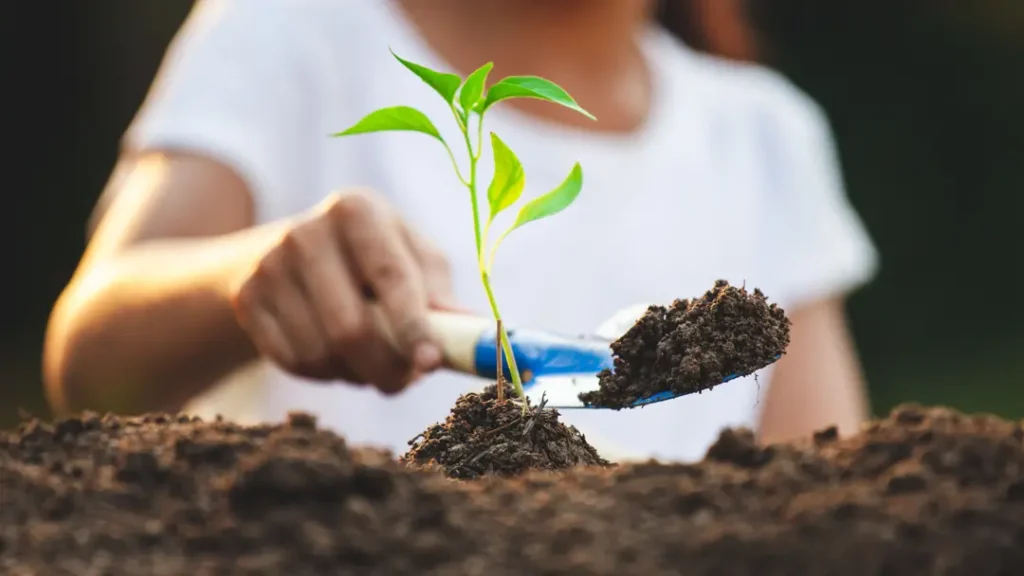
Schools can teach children about soil health, helping future generations understand that dirt is more than just something to wash off, it’s the foundation of life.
Gardeners and landscapers need to build their gardens in a way that prevents water runoff, thereby preventing erosion of the topsoil. Using plants that bind the topsoil together, and providing some protection to the soil will also help. Think of it as putting a protective blanket over exposed soil.
Reimagining Our Relationship with Soil
One of the biggest challenges is cultural: we rarely think about soil. Unlike the dramatic beauty of mountains or oceans, soil is quiet, hidden beneath our feet. Yet every apple, loaf of bread, or glass of wine we enjoy is rooted in it. Recognizing soil as a living ecosystem rather than inert dirt is the first step toward valuing and protecting it.
Some communities are reviving traditional soil stewardship practices. Indigenous knowledge often emphasizes harmony with the land, rotational farming, and respect for natural cycles. Blending this wisdom with modern science can offer holistic solutions.
Looking Ahead
Preserving topsoil is not just a matter of gardening or farming, it’s a matter of survival. The choices we make now will determine whether future generations inherit barren lands or fertile fields. As global populations grow and climate pressures intensify, building resilient soils is among the most practical and urgent forms of environmental action.
Topsoil is patient but not infinite. Every handful lost to erosion is a century’s work undone. Every effort to preserve it, whether planting a cover crop or spreading compost adds up to a more secure future. By treating soil as the precious skin of the earth, we can ensure it continues to nourish life for centuries to come.